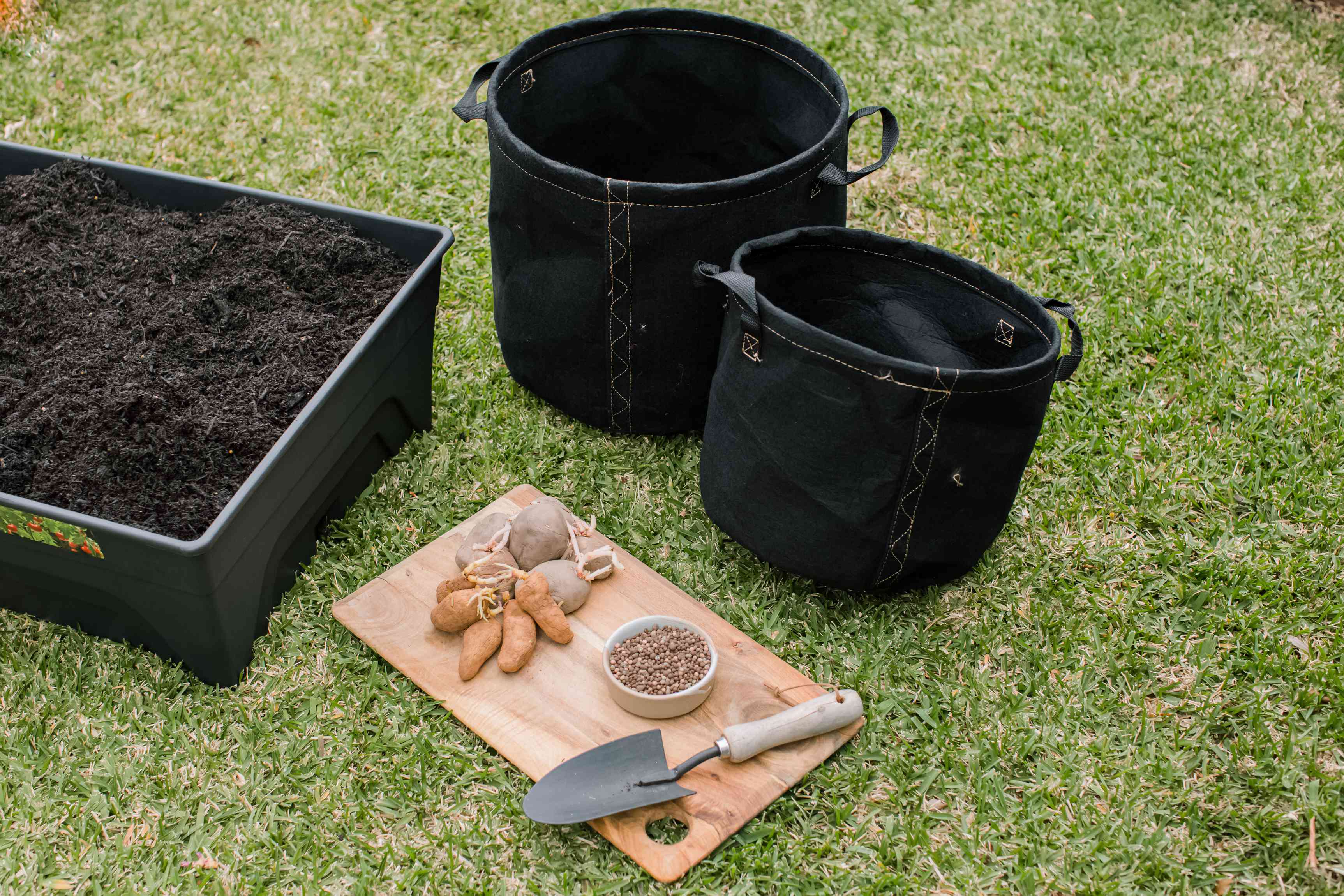
Container Potato Gardening: An Easy Harvest for Kids
Imagine the pure delight on a child’s face as they unearth a hidden treasure, not of gold or jewels, but of homegrown potatoes!
Growing potatoes with kids is an experience that transcends mere gardening; it’s an adventure, a science lesson, and a delicious journey all rolled into one. While many associate potato cultivation with vast fields, the truth is, you don't need acres of land to join in the fun. Container potato gardening offers a surprisingly simple and incredibly rewarding way for families to connect with nature, understand where their food comes from, and enjoy a bountiful, easy harvest right in their own backyard, patio, or balcony.
For children, potatoes often hold a sense of mystery. Unlike the tiny seeds of most plants, a "seed potato" looks suspiciously like, well, an ordinary potato! This initial puzzle is just the beginning of the wonder, sparking curiosity and setting the stage for an unforgettable hands-on learning experience. From the first sprouts to the eventual "big dig," container potato gardening with kids provides endless opportunities for discovery and fun.
Why Choose Container Potato Gardening for Kids?
Container gardening makes growing potatoes with kids an accessible and highly manageable project, especially for beginners or those with limited space. It removes many of the common hurdles of traditional in-ground gardening, turning it into a truly kid-friendly endeavor.
*
Space-Saving & Versatile: No sprawling garden plot? No problem! Large containers – be it an old plastic trash can, a sturdy bucket, a repurposed recycling bin, or dedicated grow bags – are perfect for potato plants. This means even families in apartments with a sunny balcony or those with a small patio can enjoy the fruits (or tubers!) of their labor.
*
Ease of Management: Compared to an in-ground bed, containers are easier to manage. They often have fewer weeds, and the soil can be precisely controlled for optimal potato growth. This simplifies the process, keeping children engaged without overwhelming them with chores.
*
Mobile & Flexible: Containers can be moved to capture the best sunlight throughout the day or brought indoors in case of unexpected frost. This flexibility adds another layer of control and convenience.
*
Excitement of the Harvest: Perhaps the most significant advantage for kids is the harvest method. Instead of laboriously digging, you can simply tip over the container, allowing the children to excitedly rummage through the soil to discover their potato treasures. It's like a real-life treasure hunt!
Opting for containers transforms potato gardening into a manageable, enjoyable activity that truly celebrates the process of
growing potatoes with kids at home, ensuring maximum fun and minimal fuss.
The Magical Journey: From Seed Potato to Sprout
The journey of a potato plant is full of fascinating twists, starting even before it hits the soil. Explaining these unique steps makes
growing potatoes with kids an even more enriching experience.
Choosing Your Spuds and Varieties
Firstly, you’ll want to select "seed potatoes." These aren't just any old potatoes from the grocery store. Seed potatoes are certified disease-free and specifically grown to produce strong, healthy plants. You can find them at garden centers or online. This is often the first "aha!" moment for kids – realizing that a new plant doesn't always start from a tiny seed.
When selecting varieties, involve your children! Do they want small, tender salad potatoes, large baking potatoes, or something exotic like a vibrant red Rooster or a striking Purple Majesty? Discussing the possibilities adds to their investment in the project. The planting season typically runs from late February to the end of May, depending on your climate, offering a wide window to begin your adventure.
The Art of Chitting: Waking Up Your Potatoes
One of the most surprising first steps in growing potatoes with kids is "chitting." This involves encouraging the seed potatoes to sprout shoots before planting them. Unlike most seeds that send out roots first, potatoes send out leaves from their "eyes."
To chit, simply place your seed potatoes in a single layer in an egg carton or a shallow tray. Position them in a cool, bright spot (like a windowsill, but out of direct, scorching sun). Within a few weeks, you'll see short, sturdy, green or purple sprouts emerging from the eyes. This process not only fascinates children but also gives your potatoes a head start, leading to an earlier and potentially larger harvest.
Planting Day: Getting Started
Once your potatoes have developed strong chits (about half an inch to an inch long), it’s planting time!
1.
Prepare Your Container: Choose a container that is at least 15-20 gallons in capacity for optimal growth – a 20-gallon grow bag or a large trash can works wonderfully. Ensure it has ample drainage holes at the bottom to prevent waterlogging.
2.
Layer the Soil: Fill the bottom of your chosen container with about 6-8 inches of good quality, well-draining potting mix. A blend designed for vegetables, often enriched with compost, is ideal.
3.
Place Your Potatoes: Carefully place 1-3 chitted seed potatoes (depending on the container size; 1-2 for a 15-gallon, 2-3 for a 20-gallon or larger) on top of the soil layer, sprouts facing upwards.
4.
Cover Gently: Cover the potatoes with another 4-6 inches of soil. Water thoroughly.
Nurturing Your Potato Patch: Earthing Up & Care
Once planted, the true magic of potato growth begins, and this phase introduces another unique aspect of potato cultivation: "earthing up."
The "Earthing Up" Secret
This is the part that truly puzzles and delights children. As the potato plant grows and green shoots emerge about 6-8 inches above the soil, you don't just let them be. Instead, you add more soil or compost, completely burying most of the visible leaves. This process, known as "earthing up" or "hilling," encourages the plant to produce more potatoes along the stem that is now covered. Without earthing up, you'd only get a small handful of potatoes at the original planting depth. With it, you get layers of delicious spuds!
Continue this process throughout the growing season. Each time the plant grows another 6-8 inches, add more soil, leaving only the top few inches of foliage exposed. This can be repeated several times until the container is nearly full. This continuous burying makes
growing potatoes with kids in containers even more engaging, as they literally watch their plant get "tucked in" with more soil.
Watering and Sunlight
Potatoes are thirsty plants, especially when grown in containers. They need consistent moisture, so water regularly, ensuring the soil remains damp but not waterlogged. On hot days, containers can dry out quickly, so check them daily.
Place your potato containers in a spot that receives full sun – at least 6-8 hours of direct sunlight per day is crucial for a healthy, productive plant.
The Big Dig: Harvesting Your Treasure
The most exciting part for any child involved in
growing potatoes with kids is undoubtedly the harvest! The anticipation builds as the plants mature, leading to a glorious reveal.
When is it Ready?
Potatoes are usually ready for harvest between 70 and 120 days after planting, depending on the variety. A key indicator is the plant’s foliage. When the leaves and stems start to yellow, wither, and eventually die back, it’s a sign that the potatoes beneath the soil have matured. For "new potatoes" (smaller, tenderer spuds), you can often harvest a few weeks earlier, even while the foliage is still green. However, for a full, mature crop, wait until the plant has mostly died back. The typical harvest window stretches from May to October, offering a long season of potential gratification.
The Ultimate Treasure Hunt
This is where container gardening truly shines for kids. Instead of the back-breaking work of digging up an entire garden bed, you simply lay a tarp or old sheet on the ground and carefully tip over the container. Then, let the children dive in! Their hands will delight in sifting through the loose soil, discovering the smooth, earthy potatoes hidden within. The excitement of finding each potato, often in various sizes and shapes, makes this an unforgettable "treasure hunt" experience. It’s a moment of pure joy and accomplishment that reinforces the rewards of patience and hard work.
After harvesting, let the potatoes "cure" for a few hours to a day in a shaded, dry spot. This helps toughen their skins, improving their storage life. Then, brush off excess dirt (don't wash them until just before use) and store them in a cool, dark, well-ventilated place.
Beyond the Harvest: Learning & Life Lessons
Beyond the delicious harvest,
growing potatoes with kids offers a wealth of educational and life lessons, turning your backyard into an outdoor classroom.
Science in Action: A Clear View Underground
To truly understand what’s happening beneath the soil, consider a clear container observation experiment. Take a tall, clear plastic bottle (like a large soda bottle) with drainage holes at the bottom. Plant a single seed potato inside, adding soil as the plant grows, just as you would with your regular containers. The transparent walls provide a fascinating "window" into the underground world, allowing children to observe firsthand how roots develop and new potatoes form on the underground stems.
It's important to note, however, that potatoes grown in light (as in a clear container) can turn green and produce solanine, a toxic compound, making them inedible. This makes for a perfect lesson on why potatoes in your main containers are earthed up and kept in the dark! This hands-on activity powerfully demonstrates the hidden processes of nature, making it a perfect complement to
hands-on science: grow potatoes with kids for learning fun.
Patience, Responsibility, and Connection to Food
Gardening teaches invaluable life skills. Children learn patience as they wait for sprouts, watch their plants grow, and anticipate the harvest. They develop a sense of responsibility as they water, check for pests, and "earth up" their plants. Most importantly, it fosters a profound connection to their food. When kids participate in the entire process – from planting to plate – they are more likely to appreciate healthy eating, understand the effort involved in food production, and even try vegetables they might otherwise shun. The pride of eating chips or mashed potatoes made from their very own harvest is immeasurable.
This journey reminds us that the most meaningful lessons often come from direct, hands-on experiences. Things we, as adults, might take for granted – like how a potato grows – can be utterly amazing through a child’s eyes.
Start Your Potato Adventure Today!
Container potato gardening offers an unparalleled blend of fun, education, and delicious rewards for families. It’s an accessible way to introduce children to the wonders of nature, the joy of homegrown food, and the invaluable lessons of patience and responsibility. So, gather your buckets, find some seed potatoes, and embark on this easy, exciting journey. The smiles, the discoveries, and the delicious harvests will create cherished memories for years to come.