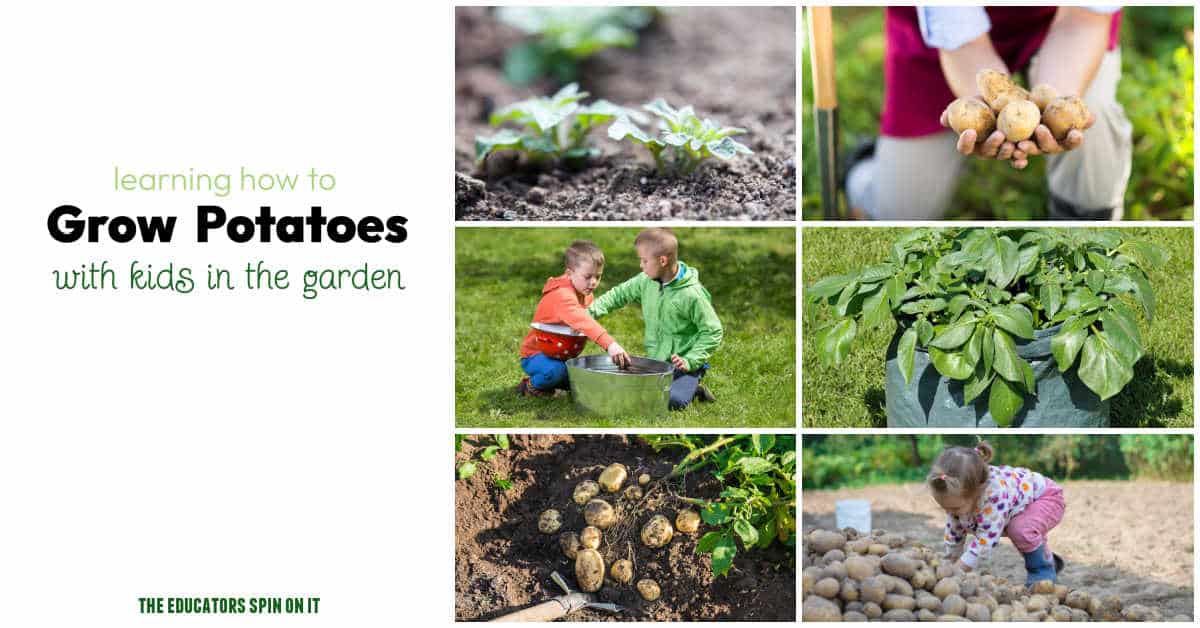
Hands-On Science: Grow Potatoes with Kids for Learning Fun
Imagine the look of wonder on a child's face as they dig through the soil and unearth a hidden treasure – a perfectly formed potato, grown by their own hands.
Growing potatoes with kids isn't just a gardening project; it's a captivating journey into the natural world, a hands-on science experiment, and a lesson in patience and reward. What might seem like an ordinary vegetable to an adult often holds a profound mystery for children, making the process of cultivating potatoes an especially enriching and memorable activity for the whole family.
In a world increasingly disconnected from the origins of our food, introducing children to the magic of growing their own produce offers invaluable lessons. It fosters an understanding of botany, ecology, and healthy eating, while also providing a fantastic opportunity for family bonding. As parents, we strive to raise well-rounded, knowledgeable, and thoughtful children, and few activities achieve this as naturally as backyard gardening.
Unearthing the Mystery: From "Seed" to Sprout
One of the first revelations when
growing potatoes with kids is the "seed" itself. Unlike most plants grown from tiny, dry seeds, potatoes start from a tuber – an ordinary-looking potato that often elicits puzzled expressions. "But that just looks like an ordinary potato!" is a common and delightful reaction, opening the door to a fascinating biological discussion. Explain to your children that this isn't just *any* potato; it's a special 'seed potato' specifically cultivated for planting, ensuring disease-free growth and a good harvest.
Before planting, we engage in a process called
chitting. This means placing your seed potatoes in a cool, light spot – like an egg carton on a windowsill – for a few weeks until they develop short, stubby sprouts, or "eyes." This initial step is often the first surprise for children, who are accustomed to roots emerging first from traditional seeds. It's a fantastic visual lesson in plant propagation and the unique life cycle of the potato.
Choosing Your Potatoes and Preparing for Planting
The world of potatoes is surprisingly diverse! When selecting varieties for
growing potatoes with kids, consider:
*
Timing: Depending on your climate and the specific variety, potatoes can be planted between February and May for harvesting from May to October.
*
Variety: Explore options beyond the standard. Small salad potatoes are quick to mature, while larger baking potatoes offer a hearty yield. For an extra element of fun, try colorful varieties like 'Red Rooster' or 'Purple Majesty,' which add an exciting visual element to your harvest and meals.
*
Source: Always buy certified seed potatoes from a reputable garden center. Supermarket potatoes may be treated with sprout inhibitors and can carry diseases.
Once your potatoes are chitted, they're ready for planting. You'll need a good quality potting mix or well-draining garden soil.
Planting Your Crop: In-Ground or Containers?
Potatoes are remarkably versatile and can thrive both directly in the ground or in various containers. Each method offers distinct advantages, especially when
growing potatoes with kids.
Container Gardening: The Kid-Friendly Choice
For backyard gardening with children, containers are often the preferred method. They offer ease of access, allow for flexible placement, and make harvesting an absolute delight.
*
Ideal Containers: Think big! Large buckets, half whiskey barrels, sturdy grow bags, or even repurposed trash cans with drainage holes are excellent choices. The deeper the container, the more potatoes it can yield.
*
Simplified "Earthing Up": One of the most unique aspects of growing potatoes is "earthing up." As the potato plant grows, you continuously add more soil or compost around the stems, covering the leaves. This encourages the plant to produce more tubers along the buried stem. In containers, this process is much simpler, as you just keep topping up the soil.
*
Exciting Harvest: When it's time to harvest, the container method truly shines. Instead of laborious digging, you can simply tip over the bucket or bag, and watch as the potatoes tumble out – a genuine treasure hunt that kids adore! This ease of harvest makes
Container Potato Gardening: An Easy Harvest for Kids an ideal choice for young gardeners.
In-Ground Planting: For Larger Yields
If you have ample garden space, planting directly in the ground can yield a larger crop. Dig a trench about 6-8 inches deep, place your chitted seed potatoes about 12-15 inches apart, and cover with a few inches of soil. As the plants grow, continue to "earth up" by mounding soil around the stems until you have a significant ridge. This method requires more space and effort during harvest but can be very rewarding. For more detailed instructions on both methods, check out this
Fun Guide: How to Grow Potatoes with Kids at Home.
Watching Science in Action: The Clear Container Experiment
To truly bring the underground magic to life, set up a special observation planter. This activity is a perfect companion to your main potato crop and provides an unparalleled visual lesson in plant growth.
1.
Choose a Clear Container: Take a tall, clear plastic bottle (like a large soda bottle) or a clear storage bin.
2.
Add Drainage: Poke several drainage holes in the bottom.
3.
Plant Your Potato: Place one chitted seed potato at the bottom of the container.
4.
Add Soil: Cover the potato with about 2-3 inches of potting mix.
5.
Observe and "Earth Up": As the plant sprouts and grows, have your children observe the roots and shoots. Continue to add soil as the plant grows taller, "earthing up" just as you would with your main crop.
6.
The Underground Window: The clear sides of the container provide a unique "window" into the subterranean world. Your children can watch in real-time as the roots develop, and new tubers begin to form along the buried stem. It’s an incredible visual aid for understanding how potatoes reproduce.
**Important Note:** Potatoes exposed to light will turn green and can become toxic (due to solanine). Therefore, the potatoes grown in your clear observation container should be considered for science experiment purposes only, not for consumption. Emphasize this safety lesson to your children.
The Ultimate Reward: Harvesting and Feasting
The moment of harvest is arguably the most exciting part of
growing potatoes with kids. After weeks or months of nurturing, the anticipation builds. You'll know your potatoes are ready when the foliage above ground starts to yellow, wither, and die back, usually 2-4 weeks after flowering.
*
The Treasure Hunt: For container potatoes, carefully tip the container onto a tarp or an old sheet. Encourage your children to gently sift through the soil, unearthing the precious potatoes. Each one found is a cheer-worthy discovery!
*
In-Ground Digging: For ground-grown potatoes, use a fork or spade, starting a foot or so away from where you planted the original seed potato, to carefully lift the plants and surrounding soil. Let your kids help gently pull the plants and scour the soil for any remaining tubers.
Once harvested, brush off excess soil and allow your potatoes to cure in a cool, dark, well-ventilated area for a week or two. This toughens their skins, improves flavor, and extends storage life.
Lessons Learned: Beyond the Garden Beds
The lessons gleaned from
growing potatoes with kids extend far beyond basic botany. This hands-on experience provides a wealth of life skills and understanding:
*
Patience and Delayed Gratification: Gardening teaches children that good things come to those who wait and work consistently.
*
Understanding Food Origins: They learn that food doesn't simply appear in a supermarket but comes from the earth, cultivated with care.
*
Healthy Eating Habits: The pride of eating something they grew themselves often makes children more willing to try new foods, especially fresh, home-grown produce. Imagine the joy of making home-grown chips, fries, or mashed potatoes!
*
Responsibility: Caring for a living plant instills a sense of responsibility and empathy.
*
Problem-Solving: Dealing with pests, weather, or unexpected plant issues can spark critical thinking and problem-solving skills.
*
Connection to Nature: It builds a tangible link to the natural world, fostering respect for the environment and an appreciation for ecosystems.
*
Family Bonding: It's a shared project, a conversation starter, and an opportunity to create lasting memories together.
The revelation that a simple potato holds such a complex and rewarding journey is a powerful reminder that some of the most profound lessons are learned not from screens or textbooks, but from getting our hands dirty and connecting with the living world around us.
Conclusion
Growing potatoes with kids is an adventure that transforms a common vegetable into a source of wonder, education, and delicious discovery. From the initial surprise of the "seed" potato to the excitement of unearthing a bountiful harvest, every step offers a unique learning opportunity. It’s a powerful testament to the value of hands-on education, fostering not just an understanding of where our food comes from, but also instilling patience, responsibility, and a lifelong appreciation for the natural world. So, roll up your sleeves, grab your seed potatoes, and embark on this incredibly rewarding journey with your children – you might just discover more than you planted.